Reading Room
From Bodhicitta
Reading Room
Introduction
Welcome to our library reading room! Explore our curated collection of essential texts, thoughtfully organized to guide your journey through the essential literature on bodhicitta. You'll find foundational works focused on bodhicitta and the cultivation of compassionate awakening, alongside other core teachings and a rich selection of texts from the Tibetan tradition. Each core text includes a comprehensive landing page where you can discover the work's historical context, explore different recensions and editions, access scholarly commentaries, and find related teachings. Whether you're seeking to deepen your understanding through background study or ready to dive directly into the texts themselves, our reading room provides both scholarly resources and direct access to these timeless teachings.
Bilingual Bookshelf
Core Texts

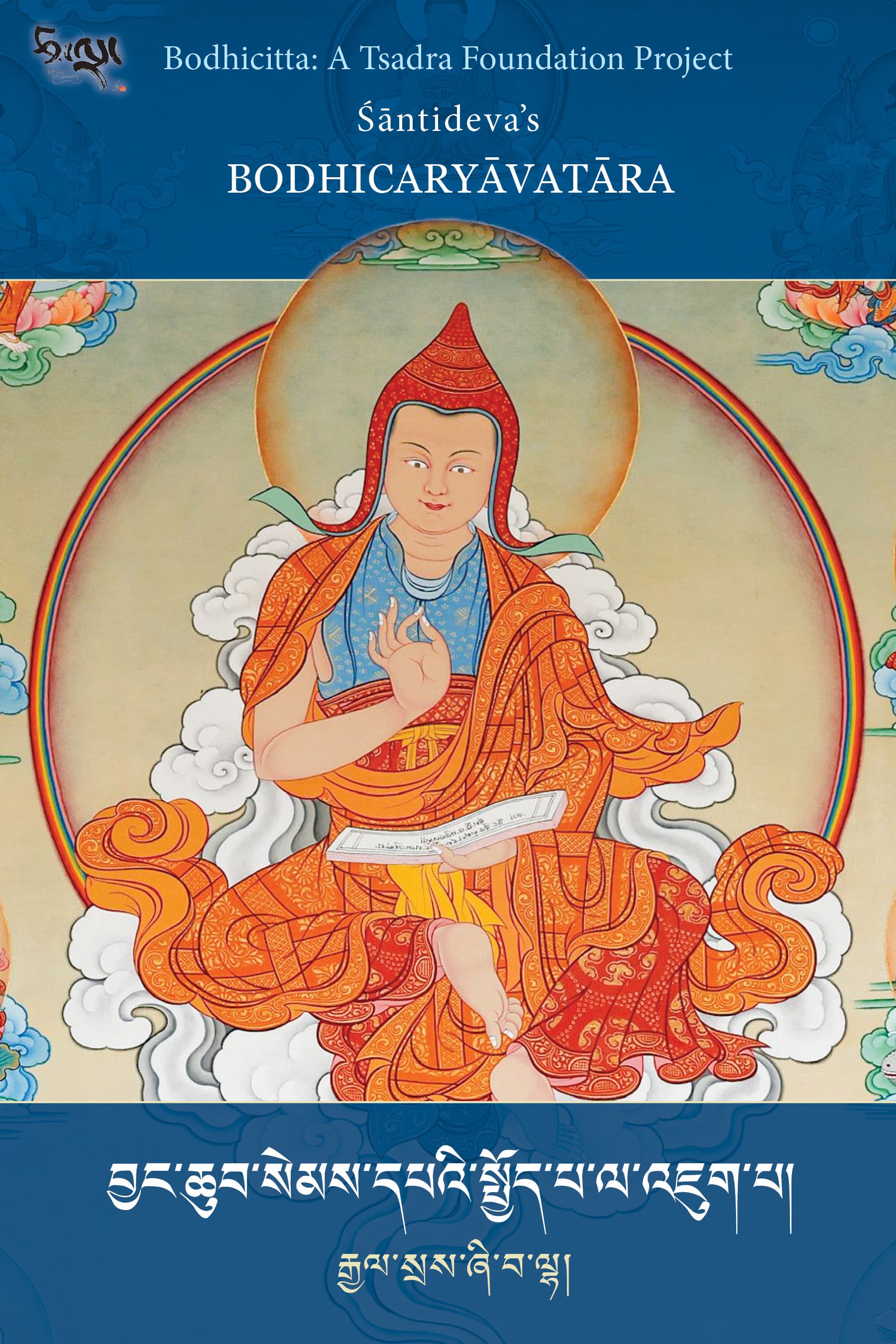
An "Introduction to Bodhisattva Practice," the Bodhisattvacaryāvatāra is a poem about the path of a bodhisattva, in ten chapters, written by the Indian Buddhist Śāntideva (fl. c. 685–763). One of the masterpieces of world literature, it is a core text of Mahāyāna Buddhism and continues to be taught, studied, and commented upon in many languages and by many traditions around the world.

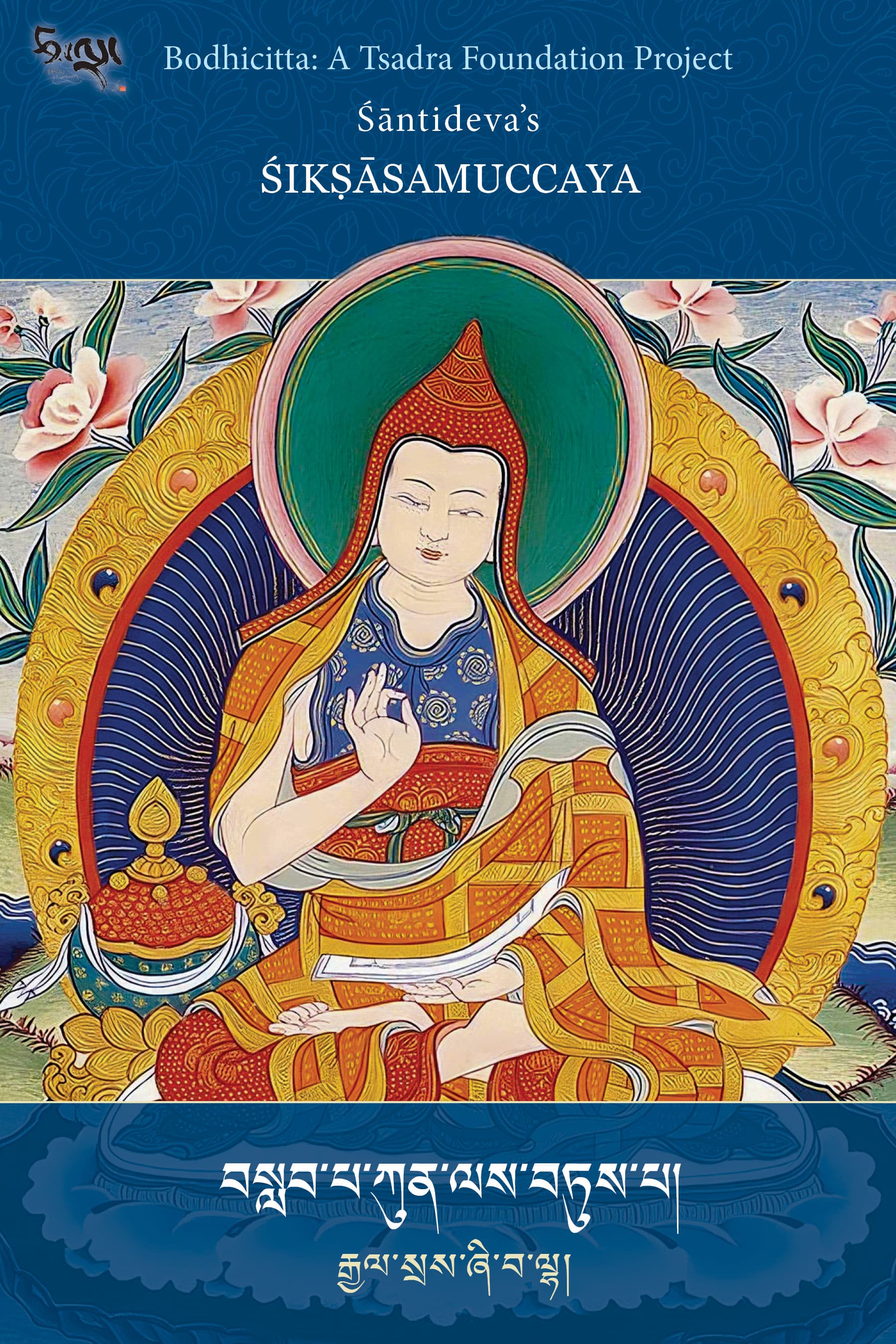
In Sanskrit, "Compendium of Training," a work by the eighth-century Indian Mahāyāna master Śāntideva. It consists of twenty-seven stanzas on the motivation and practice of the bodhisattva, including bodhicitta, the six perfections (pāramitā), the worship of buddhas and bodhisattvas, the benefits of renunciation, and the peace derived from the knowledge of emptiness (śūnyatā). Śāntideva supports his presentation throughout by drawing on dozens of Mahāyāna sūtras and other texts, which he quotes at length.
योगाचारभूमौ बोधिसत्त्वभूमिः
· རྣལ་འབྱོར་སྤྱོད་པའི་ས་ལས་བྱང་ཆུབ་སེམས་དཔའི་ས།
From The Levels of Spiritual Practice: The Level of a Bodhisattva (84000)

The Bodhisattvabhūmi (literally "The Stage of a Bodhisattva") stands as one of the most comprehensive and systematic expositions of the Mahāyāna Buddhist path from classical India. Formally the fifteenth section of the massive Yogācārabhūmi corpus, this foundational treatise provides an encyclopedic manual detailing the entire spiritual trajectory of a bodhisattva—from the initial arising of the "mind of awakening" (bodhicitta) to the ultimate attainment of perfect buddhahood.

In Sanskrit, "Exposition of the Mind of Enlightenment"; a work traditionally ascribed to Nāgārjuna, although the text is not cited by Nāgārjuna's commentators Buddhapālita, Candrakīrti, or Bhāvaviveka. The text consists of 112 stanzas, preceded by a brief section in prose. It is essentially a compendium of Mahāyāna theory and practice, intended for bodhisattvas, both monastic and lay, organized around the theme of bodhicitta, both in its conventional aspect (saṃvṛtibodhicitta) as the aspiration to buddhahood out of compassion for all sentient beings, and in its ultimate aspect (paramārthabodhicitta) as the insight into emptiness (śūnyatā).

In Sanskrit, "Stages of Meditation," the title of three separate but related works by the late eighth-century Indian master Kamalaśīla (RKTST 4228, RKTST 4229, and RKTST 4230). The three texts set forth the process for the potential bodhisattva to cultivate bodhicitta and then develop śamatha and vipaśyanā and progress through the bodhisattva stages (bhūmi) to buddhahood.

In Sanskrit, "Lamp for the Path to Enlightenment"; a work composed by the Indian scholar Atiśa Dīpamkaraśrījñāna at Tholing Tsuklakhang shortly after he arrived in Tibet in 1042. Tibetan histories often note that Atiśa wrote this text in order to clarify problematic points of Buddhist practice, especially tantra, which were thought to have degenerated and become distorted, and to show that tantra did not render basic Buddhist practice irrelevant.
རྒྱལ་སྲས་ལག་ལེན་སོ་བདུན་མ།
The Thirty-Seven Practices of a Bodhisattva

Gyalse Tokme Zangpo's (1295–1369) highly influential work on Mind Training (blo sbyong) that outlines the training of a bodhisattva in a series of thirty-seven verses is still very popular today with Buddhist practitioners around the world. The colophon states: "This was composed at the Jewel Cave of Ngulchu by the monk Tokme [Zangpo], expounder of scripture and reasoning, for the benefit of myself and others." Since he gathered together all the paths of the bodhisattvas and composed them in the form of thirty-seven verses, the title is clearly fitting.

In Tibetan, "Seven Points of Mind Training"; an influential Tibetan work in the Mind Training (blo sbyong) genre. The work was composed by the Kadampa scholar Chekawa Yeshe Dorje, often known as Geshe Chekawa, based on the tradition of generating bodhicitta known as "mind training" transmitted by the Bengali master Atiśa Dīpaṃkaraśrījñāna. It also follows the system laid out previously by Langri Tangpa in his Blo sbyong tshig brgyad ma ("Eight Verses on Mind Training").

Other Core Texts
རྫོགས་པ་ཆེན་པོ་ཀློང་ཆེན་སྙིང་ཏིག་གི་སྔོན་འགྲོའི་ཁྲིད་ཡིག་ཀུན་བཟང་བླ་མའི་ཞལ་ལུང་།
Words of My Perfect Teacher
In Tibetan, "Words of My Perfect Teacher," explains the preliminary practices (sngon 'gro) for the Longchen Nyingthik ("Heart Essence of the Great Expanse"), a system of Nyingma doctrine and meditation instruction stemming from the eighteenth-century treasure revealer (gter ston) Jigme Lingpa. The work is much loved for its direct, nontechnical approach and for its heartfelt practical advice.
The three principal aspects of the path, as laid out by Je Tsongkhapa, are renunciation (the determination to be free from suffering), bodhicitta (the altruistic intention to achieve enlightenment for the benefit of all beings), and wisdom (the understanding of emptiness or dependent origination). These three are considered the heart of the Buddhist path, essential for achieving liberation and perfect enlightenment.
དམ་ཆོས་ཡིད་བཞིན་གྱི་ནོར་བུ་ཐར་པ་རིན་པོ་ཆེའི་རྒྱན།
Ornament of Precious Liberation: A Wish-Fulfilling Gem of Sublime Dharma
One of Gampopa's (b. 1079–d. 1153) most enduring works. It was one of the first "stages of the path" (lam rim) texts to be written by a Tibetan after the genre was introduced by Atiśa through his famous composition Bodhipathapradīpa, The Lamp for the Path to Enlightenment. Sometimes called the Dakpo Targyen (དྭགས་པོ་ཐར་རྒྱན།), Tharpa Rinpoche Gyen (ཐར་པ་རིན་པོ་ཆེའི་རྒྱན།) or simply Targyen (ཐར་རྒྱན། ) for short, it is one of the core Lamrim treatises of the Kagyu school by one of the early founders of the Kagyu tradition. The text presents a graduated path to enlightenment, synthesizing the Kadam teachings of Atiśa and the Mahāmudrā teachings of Milarepa and Marpa.
ཞེན་པ་བཞི་བྲལ་གྱི་གདམས་ངག།
Root Lines of "Parting from the Four Clingings"
As explicitly mentioned in this brief text, the four lines that present the core instruction of the practice of parting from the four clingings is traditionally recognized as a revelation from Mañjuśrī, the buddha of wisdom. Jamgön Amé, in his Lineages of the Sakya Family (Sa skya'i gdung rabs, p. 26), identifies Sachen Kunga Nyingpo as the "great Sakyapa," who experienced this vision of Mañjuśrī and received the revelation. Interestingly, Nupa Rikzin Drak . . . identifies Drakpa Gyaltsen as the origin of this instruction.
Library of All Tibetan Texts